
Commercial Flat Roof Storm Drainage Solutions: Defending Your Property from the Elements
When you own or manage a commercial property, the roof over your head is one of your most significant investments. While residential sloped roofs rely on gravity to quickly shed rainwater, flat and low-slope commercial roofs require a more engineered approach to water management. This is especially true when dealing with unpredictable Gulf Coast weather, which can deliver torrential downpours and high winds with very little warning. For business owners in Fort Bend and the surrounding areas, a robust drainage system is not just a building code requirement; it is a critical line of defense against catastrophic structural damage.
Without an effective way to channel water off the surface, commercial buildings face immediate threats from leaks, material degradation, and extreme weight loads. At TopHat Roofing, we have seen firsthand how inadequate drainage can compromise otherwise healthy roofs. Through our dedication to a white-glove customer experience and our comprehensive understanding of regional weather patterns, we help property managers implement commercial flat roof drainage solutions that stand up to the most severe storms. In this guide, we will explore the risks of poor drainage, the systems available to protect your building, and how a proactive approach can save you thousands in premature replacement costs.
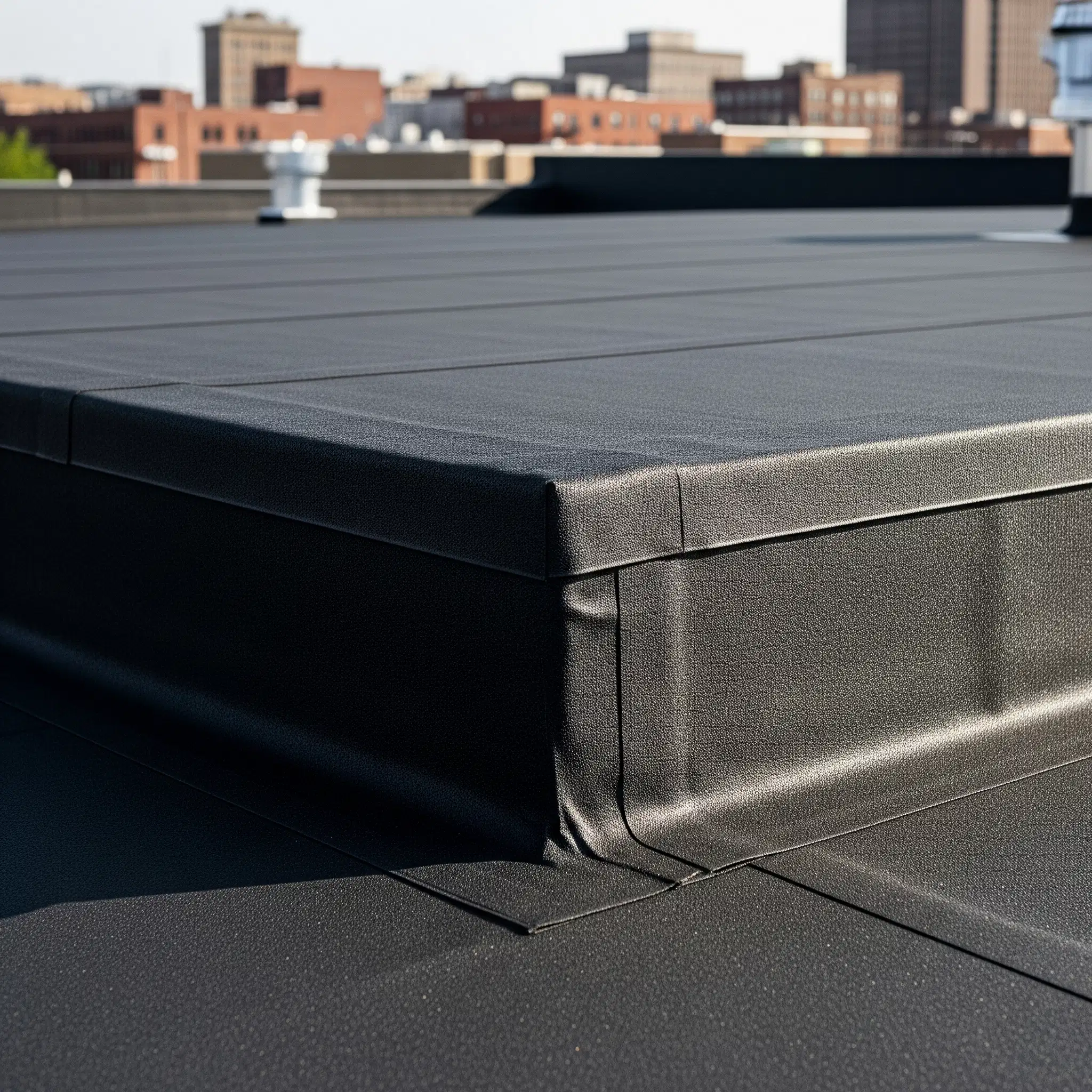
The Hidden Danger: Ponding Water on a Commercial Flat Roof
One of the most common and destructive issues facing flat roofing systems is ponding water on a commercial flat roof. By industry definition, water is considered "ponding" if it remains on the roof surface for more than 48 hours after a rainstorm has passed. While it might just look like a harmless puddle, standing water is a relentless enemy to your roofing materials.
First, consider the sheer weight of the water. A one-inch deep puddle covering a 10-foot by 10-foot area weighs over 500 pounds. When massive amounts of water pool in a single area, the immense pressure can cause the roof decking to bow or sag, which only deepens the depression and invites even more water to collect during the next storm. Over time, this structural stress can compromise the integrity of the entire building.
Furthermore, the high humidity characteristic of the Brazos River basin accelerates the wear and tear on roofing materials submerged under standing water. Ultraviolet rays from the sun heat the ponded water, essentially cooking the roofing membrane and breaking down the adhesives and seams that keep the system watertight. As the membrane deteriorates, the likelihood of severe leaks multiplies. Addressing these low spots and ensuring proper water flow is the absolute first step in protecting your commercial investment.
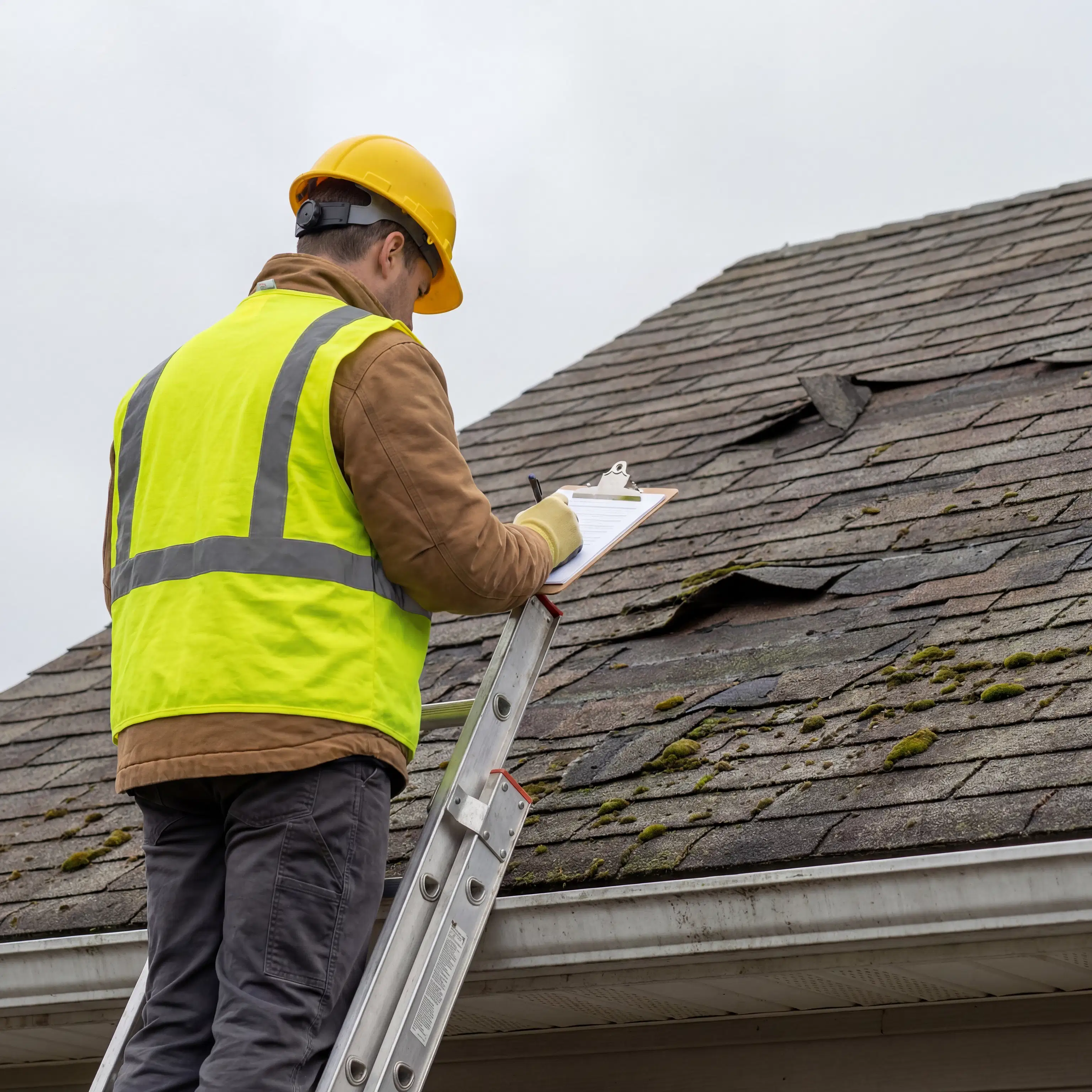
Core Solutions for Efficient Water Management
Preventing commercial roof leaks during heavy rain requires a multi-layered approach to water management. Every building is structurally unique, meaning the ideal drainage setup will depend on your roof's size, slope, and parapet wall design. If you are considering commercial roofing upgrades, there are three primary systems we evaluate and install to ensure rapid water removal.
Internal Drains
Internal drains function much like the drain in a bathtub. Placed strategically at the lowest points of the roof, these drains collect water and funnel it through pipes hidden within the building's walls or support columns, eventually discharging it outward. Because the plumbing is insulated by the building itself, internal drains are highly efficient and less susceptible to external damage. However, they require careful maintenance. If leaves, twigs, or debris clog the drain cover, water will back up immediately, leading to severe ponding.
Scuppers
Scuppers are large openings cut directly into the perimeter parapet walls of a commercial roof. They allow water to flow off the edge of the roof and into an exterior downspout system. Scuppers are incredibly effective for moving large volumes of water quickly during a heavy storm. Because they are visible from the exterior, it is relatively easy to spot if a scupper is blocked by debris. For maximum efficiency, scuppers are often paired with a tapered insulation system that subtly slopes the flat roof, guiding water directly toward the wall openings.
Commercial Gutters
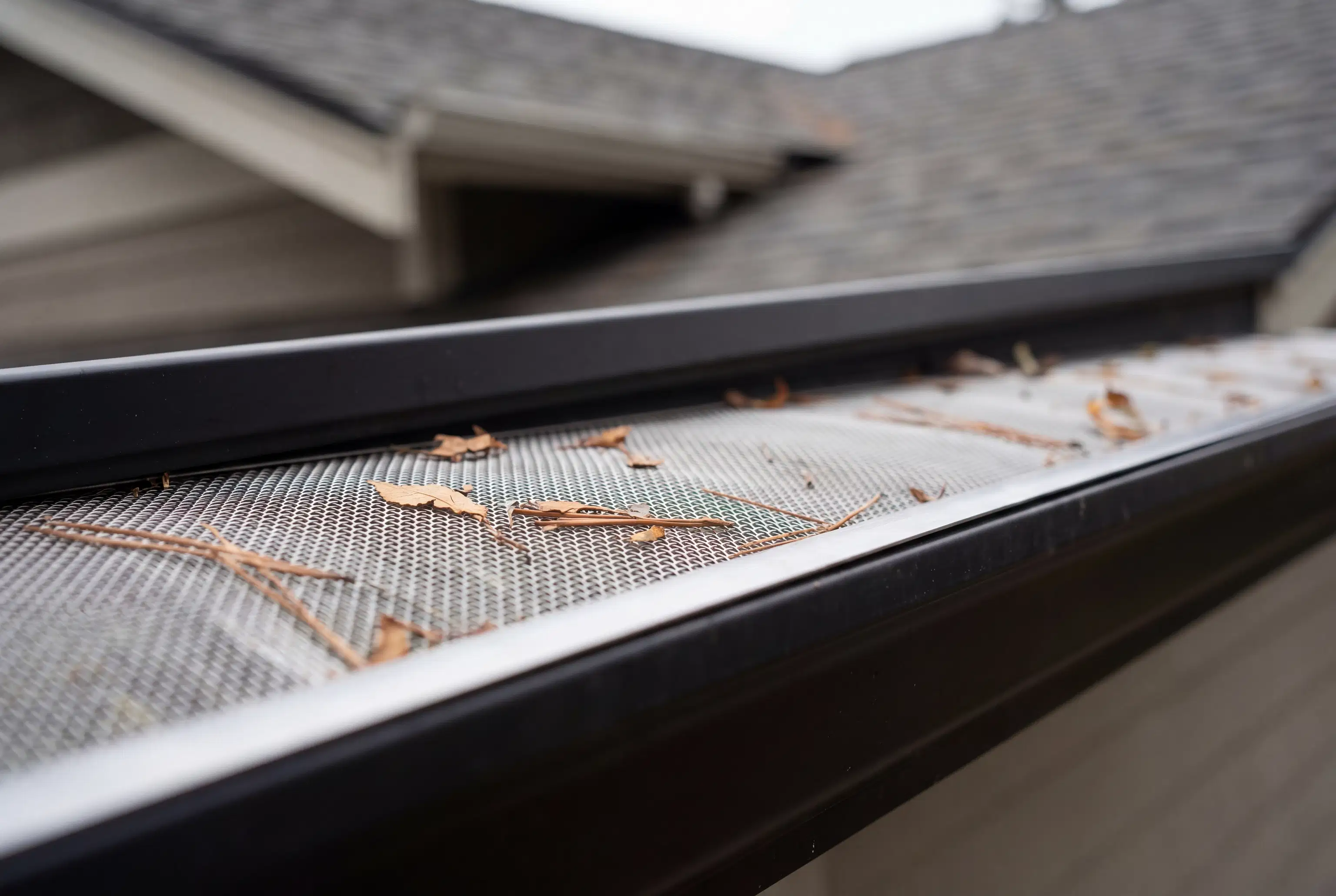
For flat roofs that do not have parapet walls, heavy-duty commercial gutters are the standard solution. Unlike residential gutters, these systems are fabricated from thicker, more durable metals to handle the massive runoff generated by large commercial surface areas. They collect water as it rolls off the roof's edge and channel it safely down to the ground and away from the building's foundation. Proper sizing and secure mounting are essential, as undersized gutters will easily overflow during sudden, intense downpours.
The Importance of Maintenance and a Trusted Local Partner
Even the most advanced drainage systems will fail if they are not properly maintained. Following severe weather, we frequently see out-of-state storm chasers flooding into the area, offering quick, cheap fixes that fail to address underlying drainage problems. Unfortunately, these transient crews often disappear before the next storm hits, leaving property owners to deal with the fallout.
At TopHat Roofing, we were founded in 2023 with a mission to elevate the standard of the industry. We operate on a foundation of absolute integrity, offering a white-glove experience that large, impersonal conglomerates simply cannot match. When you work with our team, you benefit from our refined four-step process: a comprehensive initial inspection, a detailed and transparent estimate, precision workmanship, and a rigorous final quality check.
We also embrace modern industry technology. We utilize drone-based roof inspections to capture high-resolution imagery and accurate measurements of your flat roof's drainage flow without causing unnecessary foot traffic on sensitive membranes. This allows us to identify subtle sagging, blocked scuppers, or stressed seams before they develop into active leaks. Regular maintenance inspections, especially in the months leading up to hurricane season, ensure that your drains, scuppers, and gutters are clear and functioning at peak capacity when you need them most.
Secure Your Commercial Property Today
Managing commercial flat roof storm drainage solutions doesn't have to be a constant source of stress. By understanding the risks of ponding water, investing in the right structural drainage, and partnering with a deeply rooted local team, you can extend the lifespan of your roof and protect your interior assets. Whether your facility is located near the Grand Parkway or nestled further in town, our dedicated professionals are ready to help you prepare for whatever the weather brings.
Don't wait for a leak to reveal a failing drainage system. Contact TopHat Roofing today or visit our contact us page to schedule a comprehensive evaluation of your commercial property. We will provide honest, actionable insights to keep your roof strong, secure, and properly drained.